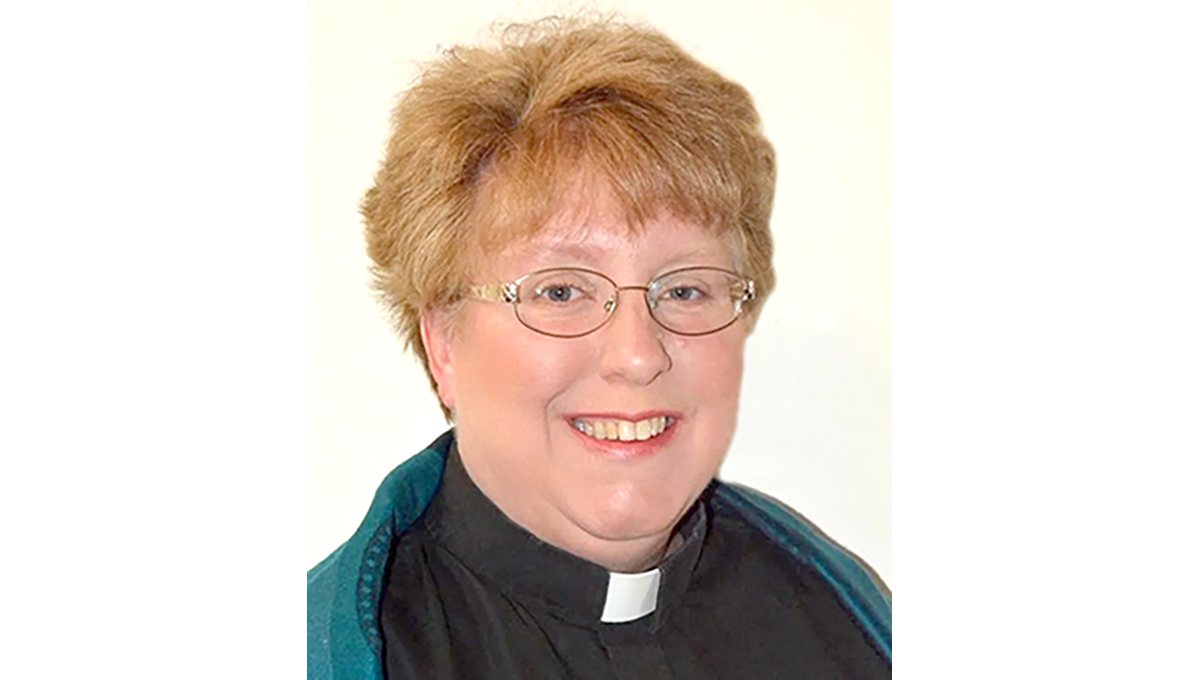
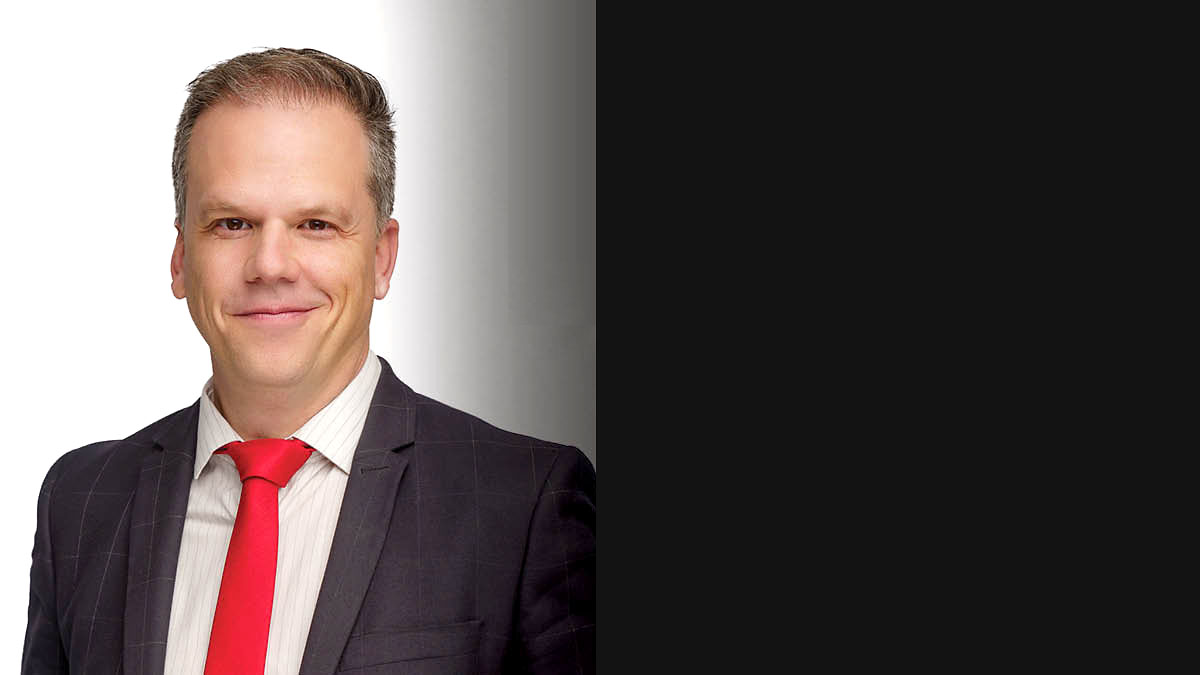
Description: Ven. Rachael Parker
By Sue Careless
THE DIOCESE OF BRANDON has a new bishop-elect. On Nov. 25th the Ven. Rachael Parker was chosen on the second ballot by 21 clergy and 28 laity. She succeeds Bp Willliam Cliff who served the diocese for seven years from 2016–2023 and who is now Bishop of Ontario.
Parker comes from Dayspring Ministry located in the eastern region of the Diocese of Edmonton, where the Anglican congregations in Edgerton, Wainwright and Vermilion recently came together. But Parker has not spent all her ministry in western Canada. Since her ordination in 1999, she has also served as regional dean of Halifax’s Chebucto region and as diocesan youth chaplain in the Diocese of Huron.
Parker will be consecrated at St Matthew’s Cathedral in Brandon on a date yet to be announced. She will become the eighth bishop of the diocese and will be assisted in her ministry by the Rt. Rev. Isaiah Larry Beardy.
The Diocese of Brandon stretches along the full length of the western Manitoba border, and skirts around the top of Lake Winnipeg covering 170,000 sq km (65,000 sq mi). On its northeastern border it reaches the shores of Hudson Bay.
The diocese has 26 parishes and over 3,000 members, as well as the Henry Budd College in The Pas, which offers theological and practical training for ministry with and among First Nations communities. The college continues the legacy of the Rev. Henry Budd Sr., the first ordained Anglican Indigenous priest in North America, who in 1840 brought the Anglican expression of the gospel to what is now northern Manitoba.
There are currently 44 active Anglican congregations. Most are small and many function with a combination of faithful lay leadership and ordained clergy, most of whom have multi-point parishes.
In the vast expanse of the diocese, two communities act as diocesan ‘hubs’: The Pas for the north and Brandon in the south. The Diocesan paper, The Mustard Seed, helps keep the far-flung congregations in touch with each other. Youth and adults can also gather at the Anglican Memorial Camp in Riding Mountain National Park.
As the diocesan website reports: “The land challenges us as we travel great distances measured in hours rather than kilometres in order to worship and meet together. We are united by our love for the land and our Creator who placed us in our communities on the land.
“We are urban, prairie and northern peoples, all with cultures of warmth and hospitality. We are Indigenous, whose ancestors have lived in the Land for thousands of years. We are settlers, who have made this land home for hundreds of years. And we are newcomers, who see promise, potential, and peace in this land far from our homelands. We are pilgrims committed to walking with each other as friends and family.
“We do have challenges, some that are general in the church and some unique to our locations. Shrinking congregations with aging populations, buildings that can no longer be financially cared for, a lack of lay and ordained leaders, and vast distances between congregations are our most difficult challenges. But we don’t want to be defined by our weaknesses or our limitations. These weaknesses and limitations make us resilient, hospitable and compassionate. We know that in our weakness, Christ is made strong. Do you want to walk (or drive and sled!) with us as we look to Jesus to shape our future?”
It would seem that Bishop-elect Parker is willing to take up the challenge.
The Diocese of Brandon, a part of the Ecclesiastical Province of Rupert’s Land, is a member of the Council of the North. TAP
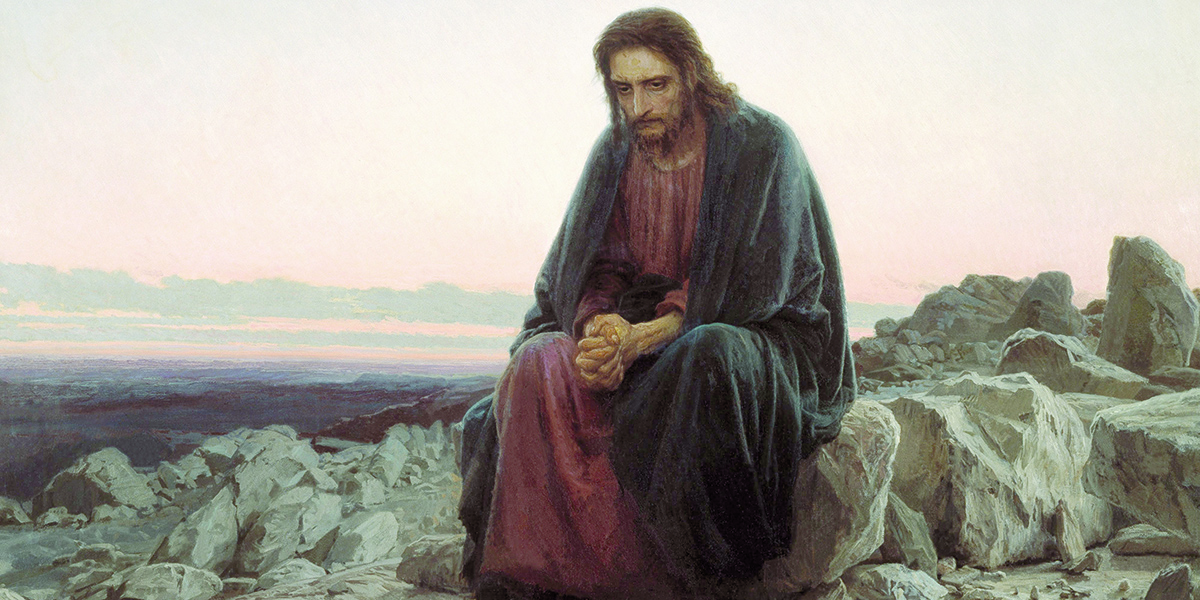
IN THE GOSPEL LESSON for this first Sunday in Lent, we have Saint Matthew’s account of the temptations of Jesus. This lesson is clearly intended to establish in our minds the meaning and the message of the Lenten season, and we should examine it with careful attention. And perhaps before we do that, it would be useful to think for a moment about the background and context of the story.
continue reading
According to Jonathan Haidt’s and Greg Lukianoff’s book The Coddling of the American Mind, the spike in anxiety and depression is also related to “Great Untruths” that have spread across our culture, but are especially powerful among current college students born 1995 or later – Generation Z and Generation Alpha. These “Untruths” relate to Fragility, Emotional Reasoning and an Us vs. Them understanding of the world. Haidt and Lukianoff may be on to something.
continue reading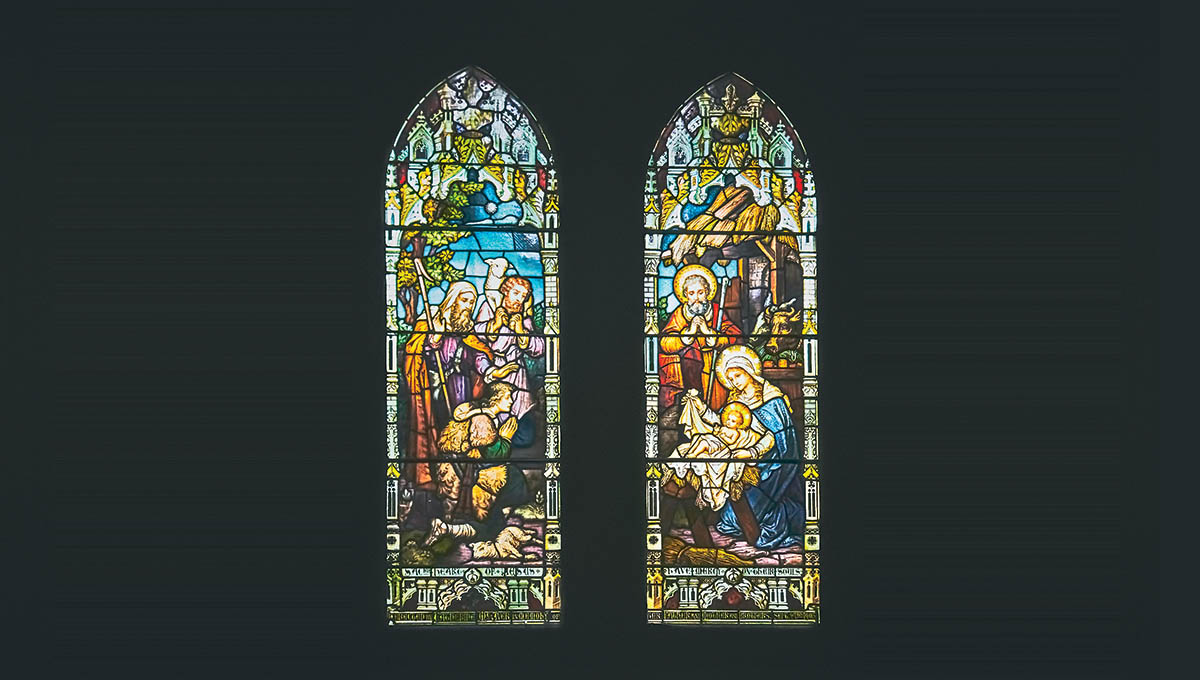
HAVE YOU EVER been envious of the shepherds that first Christmas night – when they had all those angels speaking to them, telling them about God – or felt how wonderful it would have been to be Mary and have God speak directly to you about his plans for your life?
continue reading
THE DIOCESE OF BRANDON has a new bishop-elect. On Nov. 25th the Ven. Rachael Parker was chosen on the second ballot by 21 clergy and 28 laity. She succeeds Bp Willliam Cliff who served the diocese for seven years from 2016–2023 and who is now Bishop of Ontario
(Staff) HEALTH Minister Mark Holland says Canada is not ready to expand eligibility for assisted death to people whose only medical condition is a mental illness.
He said the Liberal government agrees with the conclusion of a joint parliamentary committee report, released on Jan. 29, that more time is needed before such an expansion can happen. The report concluded that fundamental issues around the expansion have not yet been resolved.
_Cropped copy.jpg)
THE NEW Testament word for hospitality philo-xenia is a wonderful concept because it means the love of the xenia, the foreigner, the outsider. It’s a far more daring concept than friendship philia, which is the love of your own kind, your kindred. Philo-xenia is the fruit and mirror of the gospel, where God welcomes us, the outsider, the foreigner
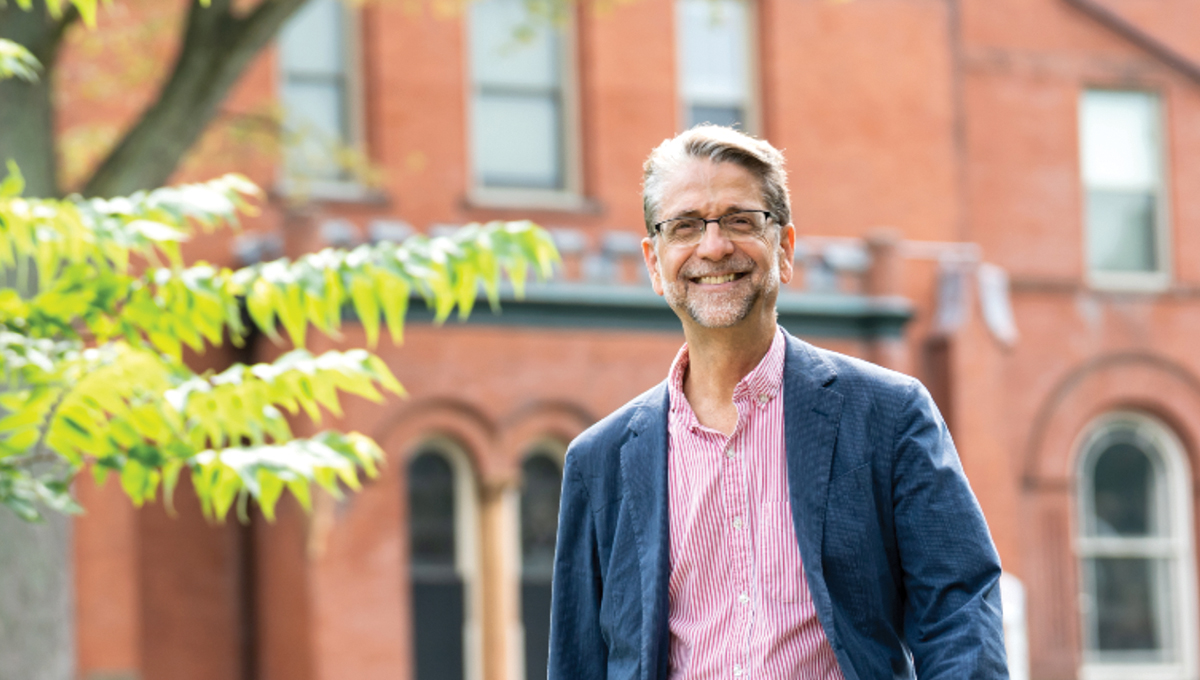
Ephraim Radner, professor emeritus of historical theology at Wycliffe College in Toronto, is author of A Time to Keep: Theology, Mortality, and the Shape of a Human Life (Baylor, 2016). An Anglican cleric, he has served as a missionary in Burundi and Haiti, and taught and pastored in the United States. He spoke with Faith Today’s Bill Fledderus about death and birth, and why he views it as essential for Christians to oppose medically assisted dying.
Copyright © 2024 The Anglican Planet. All rights reserved